






Spending time in wooded areas can have profound benefits for mental health. The tranquility and beauty of nature provide a therapeutic environment that helps promote emotional well-being. Here are several ways that being in the woods can positively influence mental health:
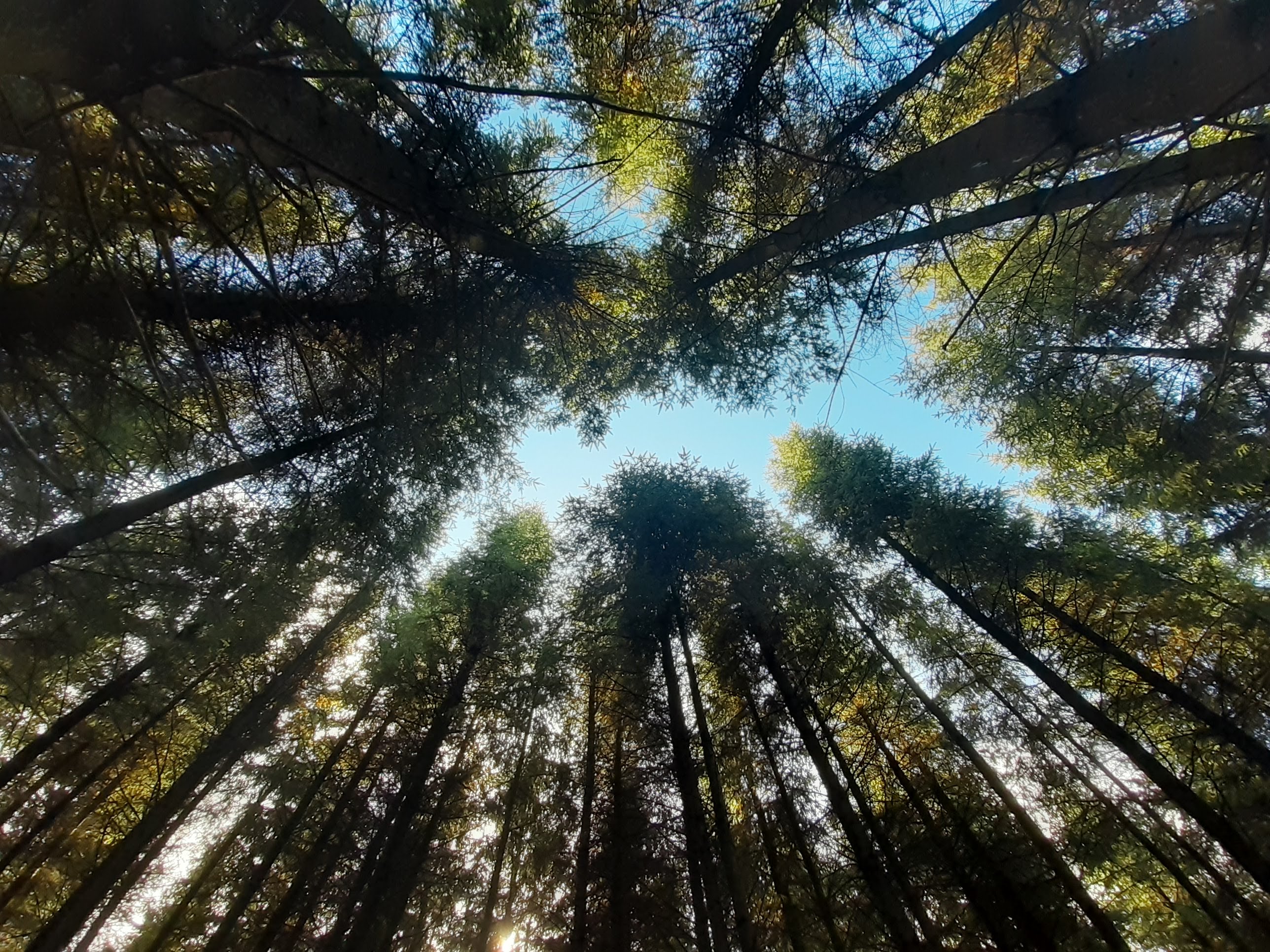
1. Connection with Nature
Being immersed in nature allows individuals to connect with their surroundings, which can lead to reduced feelings of anxiety and depression. The sights, sounds, and smells of the woods can create a sense of peace and contentment.

2. Stress Reduction
Studies have shown that spending time in natural settings can lower cortisol levels, the body’s primary stress hormone. The calming effect of the forest ambiance helps to alleviate stress and promote relaxation.
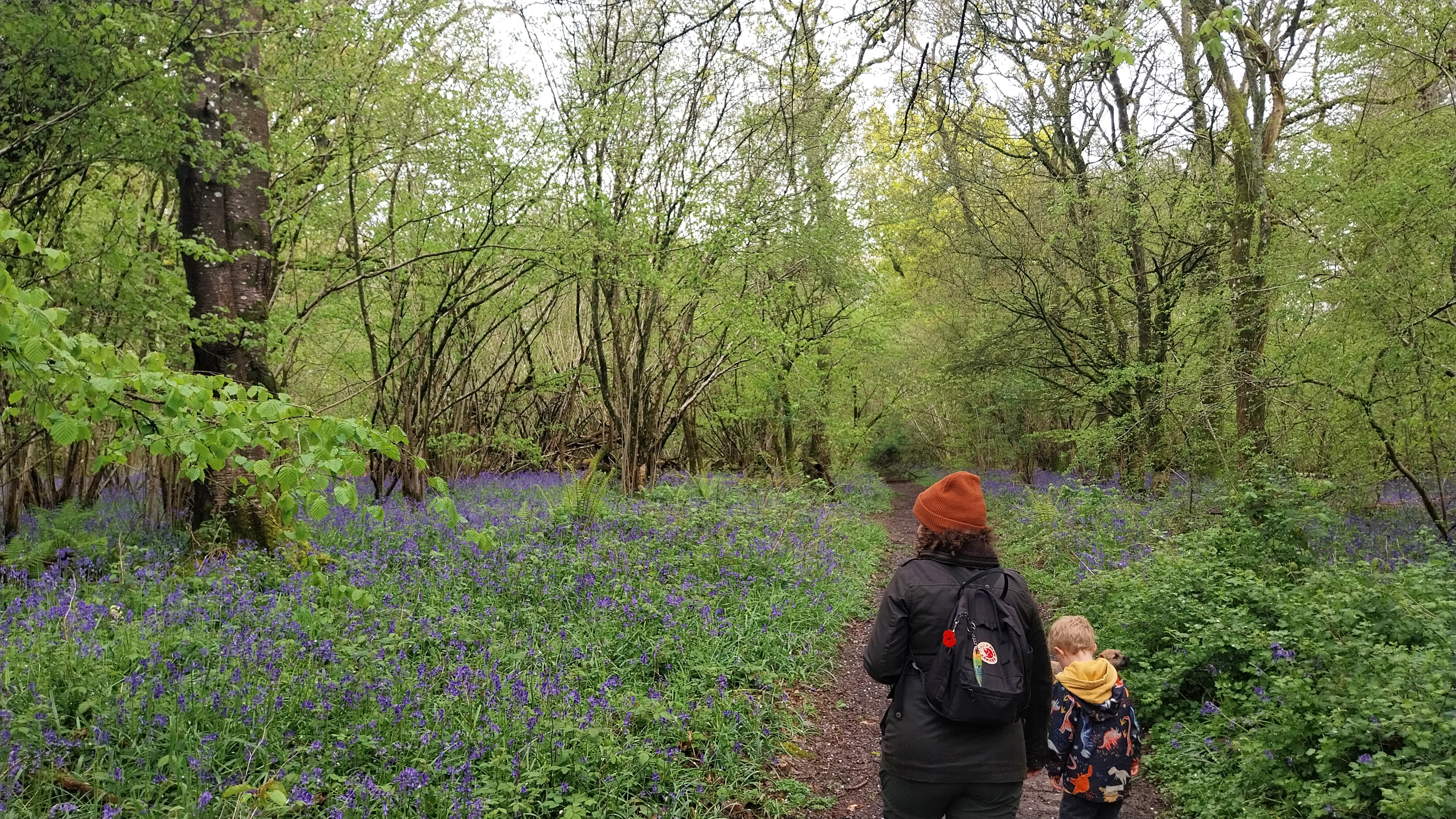
3. Mindfulness and Reflection
The serene environment of the woods encourages mindfulness, allowing individuals to focus on the present moment. This can facilitate self-reflection and emotional processing, essential components of mental well-being.
4. Physical Activity
Engaging in activities such as hiking, walking, or even yoga in wooded areas can improve mood and reduce symptoms of anxiety and depression. Physical exercise releases endorphins, which are natural mood lifters.
5. Social Interaction
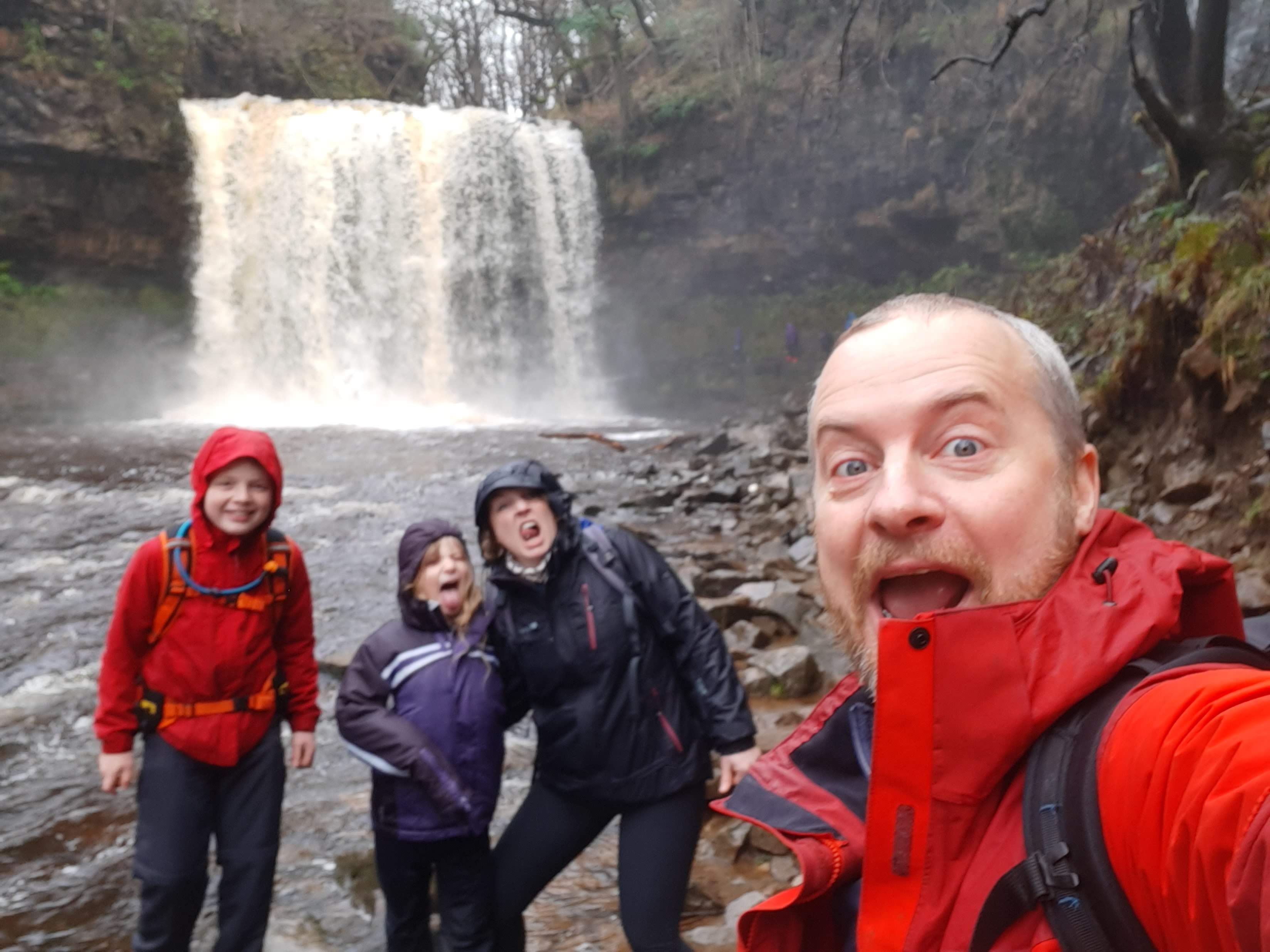
Exploring the woods with friends or family can enhance social bonds and provide emotional support. Shared experiences in nature can strengthen relationships and create a sense of community.
6. Disconnect from Technology
Being in the woods often means stepping away from screens and technology, allowing for a break from the constant stimuli of modern life. This digital detox can lead to improved focus and mental clarity.
Conclusion
The woods offer a natural refuge for those seeking to improve their mental health. By providing opportunities for connection with nature, physical activity, and mindful reflection, spending time in wooded areas can significantly enhance overall well-being. Embracing the peacefulness of the forest can be a transformative experience for individuals looking to support their mental health.

By Tristan Bawn
Categories: Mental Health, Uncategorized, Walking, Woods
 UK Active Outdoors Blog